Choose your sugar pulverizer
| Machine | Fineness (manufacturer rating) | Power range | Typical users | Notes |
|---|---|---|---|---|
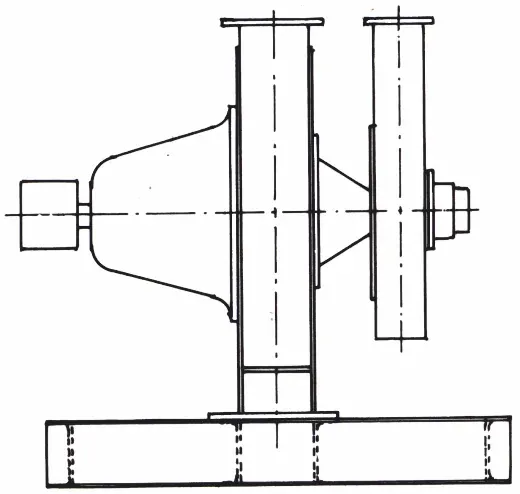
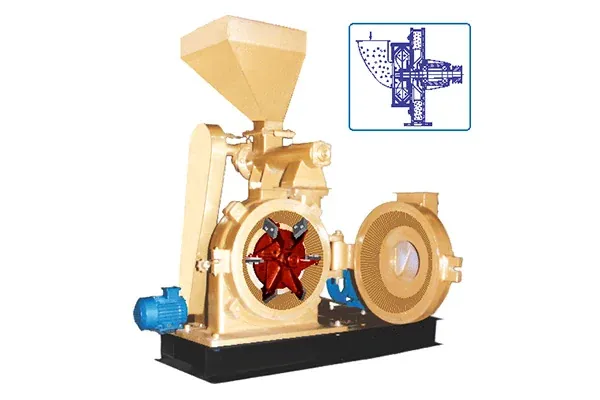
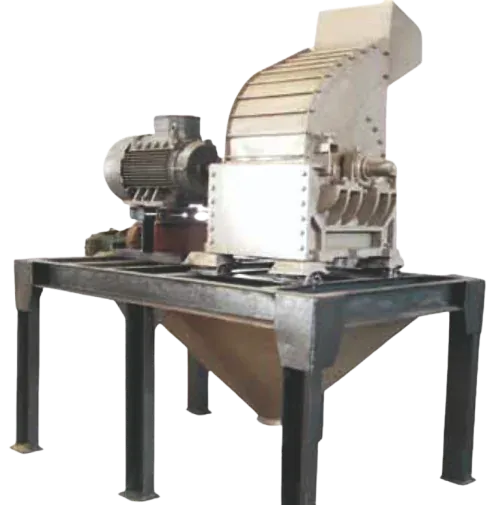
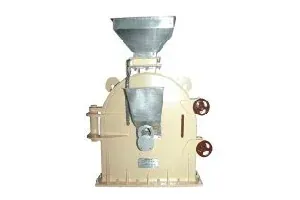
| Miracle Mill (star hammer mill) | Up to 150 mesh (100 µm) | 3–50 HP | Bakeries, biscuit | Grinding, sieving and conveying in one operation |
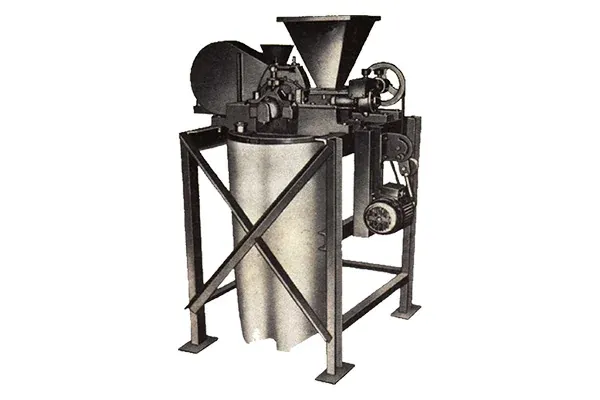
| Pin mill / stud mill | Up to 300 mesh (50 µm) | 3–50 HP and above | Biscuit, dairy, Ayurvedic | Narrow PSD, cool product |
| Micro pulverizer | Down to ~20 µm (stated as 750 mesh) | 2–60 HP and above | Bakeries, dairy | Cool grinding; versatile for icing sugar |
| Turbo classifier mill | Down to ~10 µm (stated as 1500 mesh) | 5–60 HP and above | Dairy icing sugar | Cool, screenless grinding |
Mesh equivalents beyond about 635 mesh are not standard sieve sizes; micron values are the meaningful figure.
Things that matter when grinding sugar
- Heat and moisture – fine sugar is hygroscopic and can cake or stick if it warms up; cool-grinding machines and dry air help.
- Dust safety – fine sugar dust is combustible; enclosed pneumatic conveying, good dust collection and housekeeping are essential.
- Hygiene – SS contact parts are standard choice for food use.
- Anti-caking – many producers blend starch after pulverizing; a ribbon blender can follow the mill.
Typical sugar line
Sugar hopper → magnet → screw feeder → pulverizer → cyclone with rotary airlock → vibro screen → blender (optional) → packing. Capacity and the choice of mill are confirmed by a trial on your sugar.
Gallery
Frequently Asked Questions
Which machine is best for icing sugar?
For dairy-grade icing sugar, the turbo classifier mill or micro pulverizer; for biscuit and bakery powdered sugar, a pin mill or Miracle Mill is usually sufficient.
Do you supply complete sugar grinding systems?
Yes — feeding, magnet, pulverizer, cyclone, dust collector, sieving and blending can be supplied together.