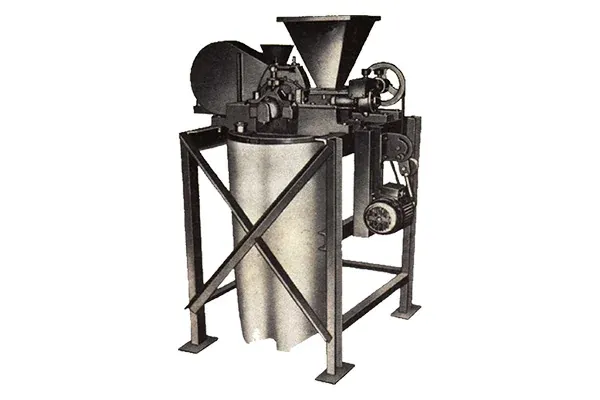
Working principle
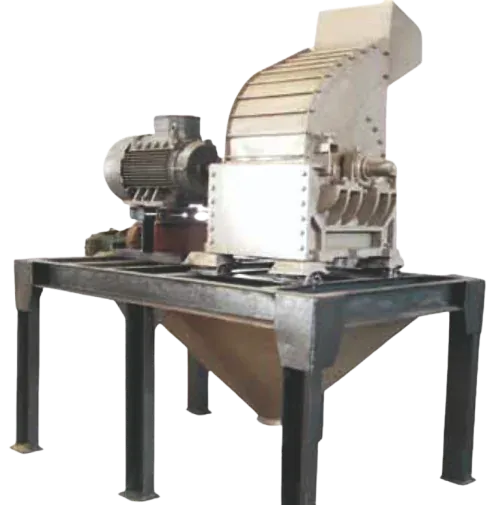
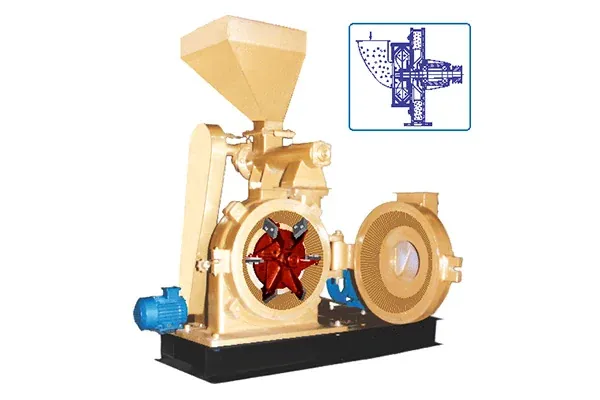
Feed enters the grinding chamber through a screw feeder (or manually on the smallest models). Hammers on a rotor running at 2,500–8,500 RPM, depending on model, strike the material against a close-fitting liner; the powder is forced through a screen whose perforation sets the final fineness. The compact, close-clearance design handles abrasive, non-abrasive and fibrous materials and can be used for dry grinding or, on suitable products, wet grinding.
Model families
Baby micro pulverizer – 125 mm rotor, 6 hammers, 2 HP main drive, 0.5 HP feeder, 7,000/8,500 RPM, 15–20 kg/hr. Available in mild steel or in a full stainless steel variant for pharmaceutical, food and pilot-plant work, with an optional cold-water circulation jacket to prevent overheating.
Medium size – 200–300 mm rotors, 5–20 HP, 100–400 kg/hr.
Large size – larger rotors with wider grinding chambers and swing-type hammers, 30–75 HP, 500–1,500 kg/hr. One large machine replaces several small pulverizers running in series, saving manpower and floor space.
Technical specifications
| Model | Rotor dia | Hammers | Feeder drive (HP) | Main drive (HP) | Main speed (RPM) | Capacity (kg/hr) |
|---|---|---|---|---|---|---|
| PMP-1 | 200 mm | 6 | 1.0 | 5 | 6000–7000 | 100–150 |
| PMP-2 | 300 mm | 24 | 1.0 | 10–15 | 5000–6000 | 200–250 |
| PMP-2B | 300 mm | 30 | 1.0 | 20–25 | 5000–6000 | 300–400 |
| PMP-3 | 450 mm | 48 | 1.0 | 30 | 3000–4000 | 500–600 |
| PMP-3B | 450 mm | 64 | 1.0 | 40 | 3000–4000 | 650–750 |
| PMP-4 | 600 mm | 96 | 1.0 | 50–75 | 2500–3000 | 800–1000 |
Specifications and design are subject to change without notice for improvement. Capacity depends on material, feed size, moisture and required fineness.
Construction options
- Standard cast iron / mild steel body.
- Complete stainless steel construction for food and pharma.
- Cost-optimised versions with SS contact parts or SS wear parts only.
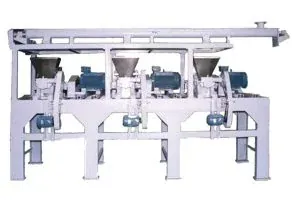
- Mechanised screw feeding; multiple pulverizers can share a common screw feeder.
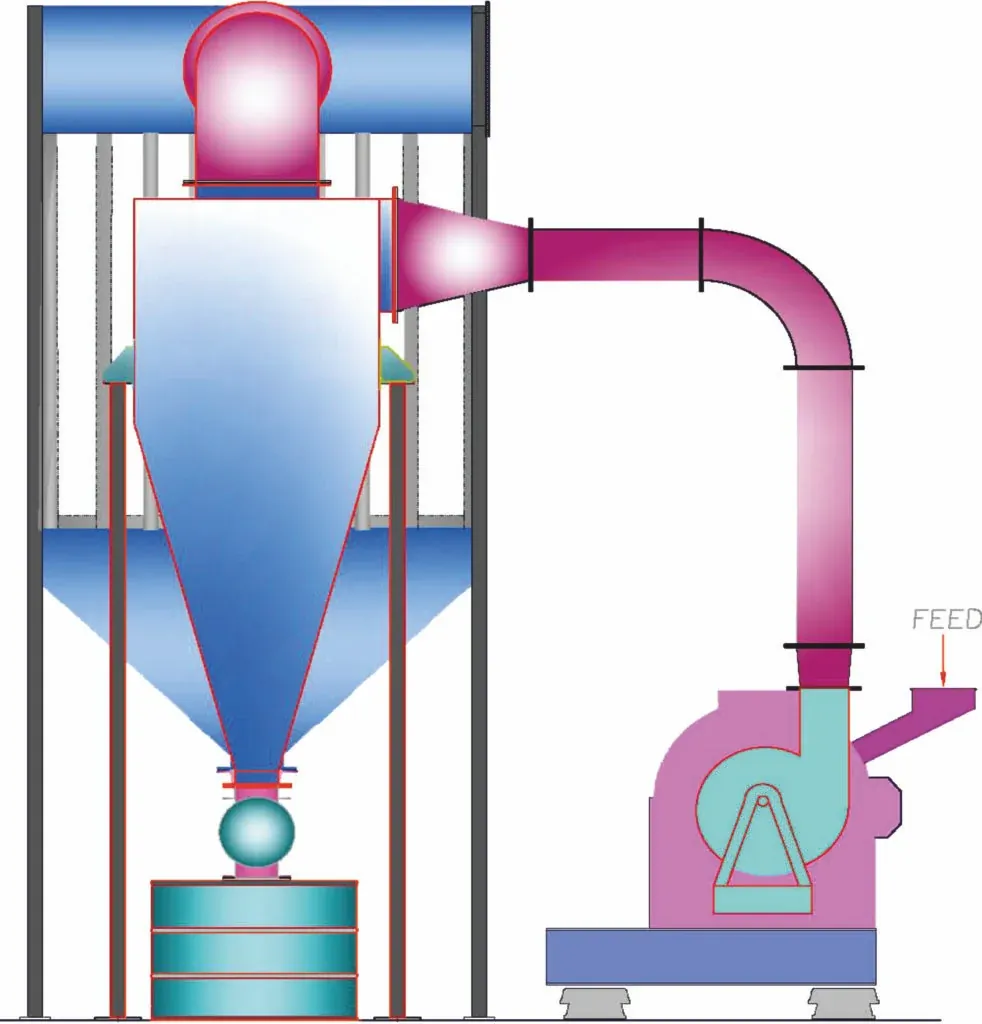
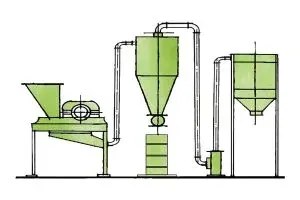
- Pneumatic collection with cyclone and fabric dust collector as standard; pulse air-jet dust collector for very dusty, pungent or high-value powders.
Materials processed
Ayurvedic products, besan (gram flour), spices, confectionery, sugar, turmeric, pharmaceuticals, salt, guar gum, insecticides and pesticides, isabgol, casein, coal, fertilizers, minerals, paints and pigments, resin, sea food, tea, starch and saw dust. A batch of baby micro pulverizers was also supplied to Singareni Collieries Co. Ltd., Kothagudem, for laboratory coal sample preparation.
Selecting a micro pulverizer
Choose a micro pulverizer when you need a fine powder (typically 60–250 mesh) from a fibrous or crystalline dry material and want a simple screened machine. If you need finer than the screen can deliver, or a very narrow particle size band, look at the turbo classifier mill or air classifier mill. For coarse pre-breaking ahead of the micro pulverizer, a Miracle Mill is the usual partner.
Gallery
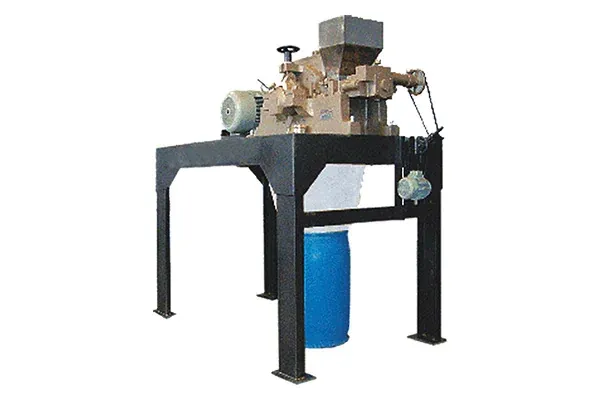
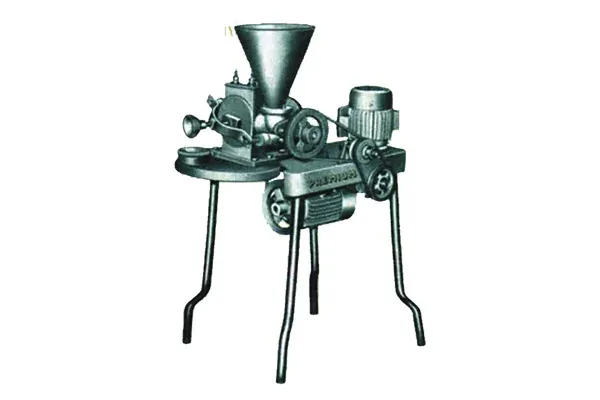
Frequently Asked Questions
What fineness can a micro pulverizer achieve?
Up to about 250 mesh on suitable materials. Actual fineness depends on the screen, rotor speed and the material’s hardness, fibre and oil content.
Is a stainless steel micro pulverizer available?
Yes. The baby model is offered in full SS construction for pharma and food, and larger models can be built in full SS, with SS contact parts, or with SS wear parts.
What is the smallest micro pulverizer you make?
The baby micro pulverizer: 125 mm rotor, 2 HP, 15–20 kg/hr. It is popular for laboratories, pilot plants and small production.
Can a micro pulverizer grind sugar into icing sugar?
Yes. Premium Pulman lists the micro pulverizer as a versatile sugar (icing) pulverizer with cool grinding, rated down to about 20 µm on sugar. See the sugar pulverizer page.