Why spice processing needs specialist machinery
A spice’s flavour and market value come from its volatile oils. Grinding generates heat, and heat drives those oils off — so the right equipment is the one that grinds cool and fast, with good dust control. Hygiene requirements from buyers and regulators (US FDA, AIB, HACCP) also push processors towards automation and closed systems.
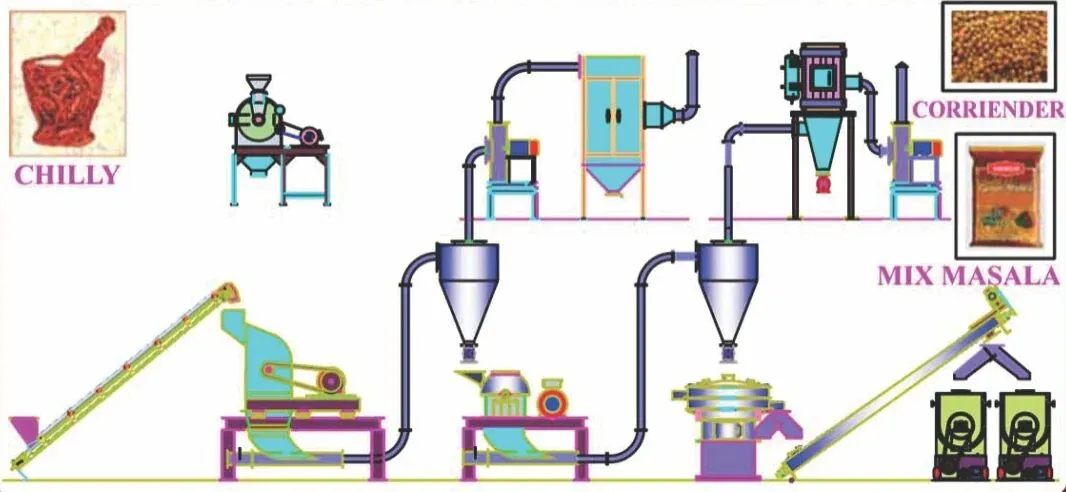
Spice processing steps
- Harvesting and primary processing – usually on farms: removal of unwanted parts, drying and basic preservation.
- Pre-cleaning – aspirators, vibrating screens, destoners, gravity separators and magnets remove stones, mud, twigs and metal.
- Final processing – grinding into powder (or solvent extraction for oleoresins).
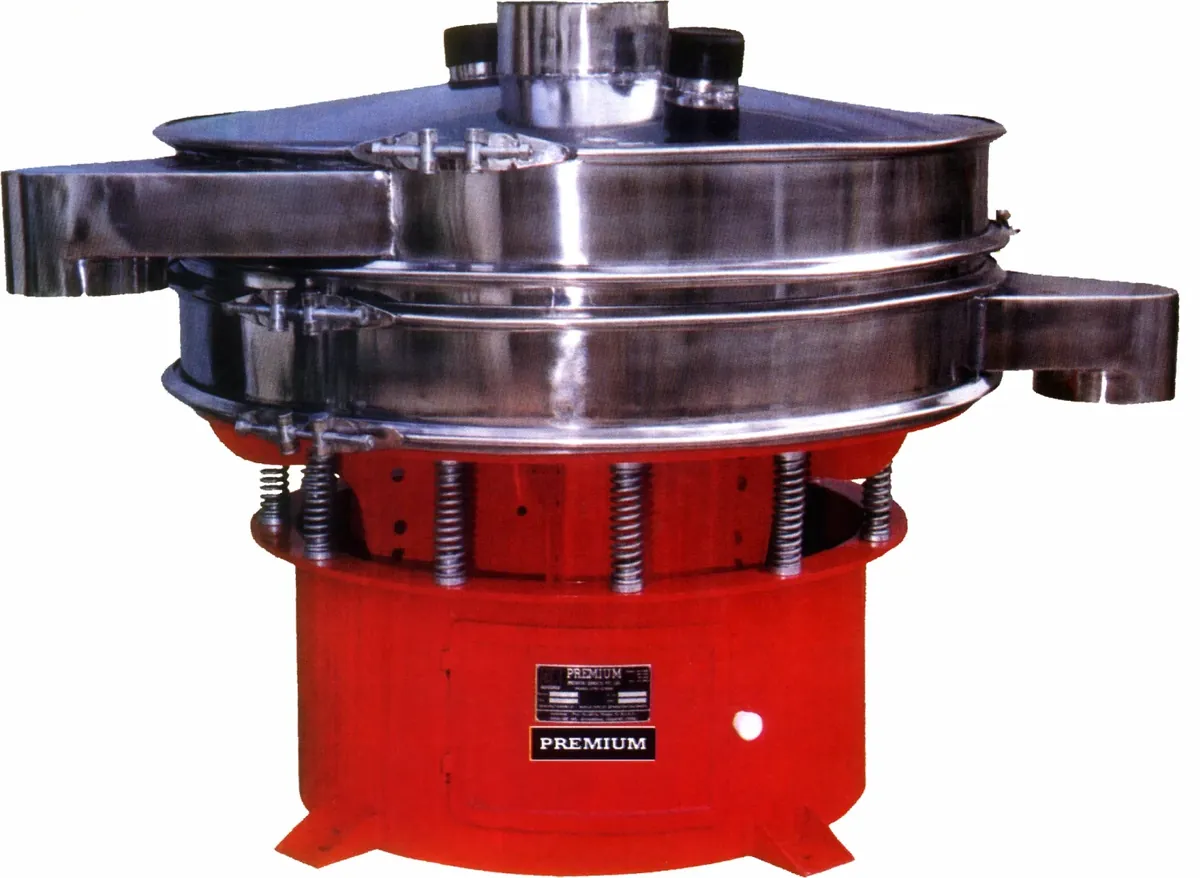
- Sieving and grading – vibro screens, gyro screens and roto sifters.
- Sterilization – heat, steam, ETO or irradiation as the market requires.
- Blending and packing – ribbon blenders for masalas, then filling and sealing.
Which pulverizer for which spice
| Spice / task | Recommended machine | Why |
|---|---|---|
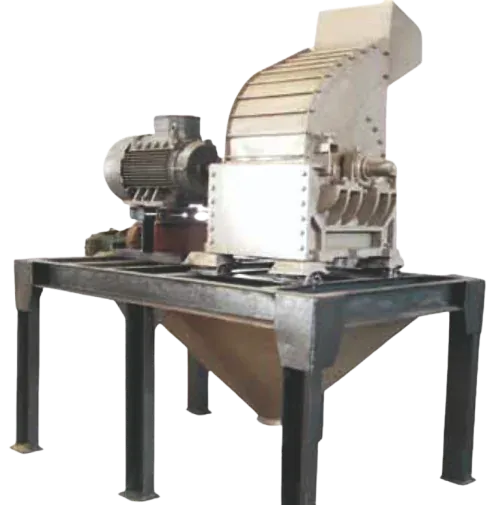
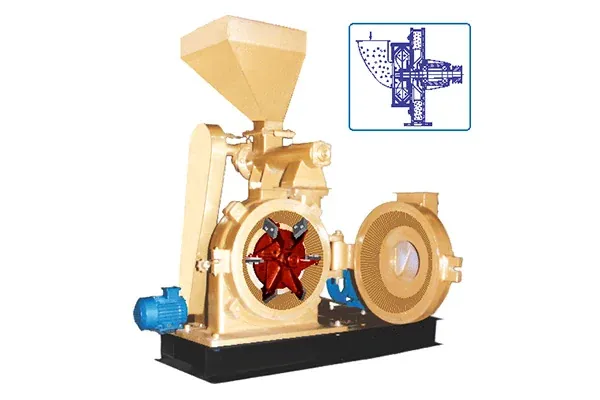
| Chilli – coarse grinding / pre-cutting | Miracle Mill or Universal Mill | Fibrous stems and pericarp; two-stage grinding retains flavour |
| Chilli – very fine powder | Turbo Classifier Mill + reverse pulse air-jet dust collector | Screenless cool grinding; seeds contain starch and fat |
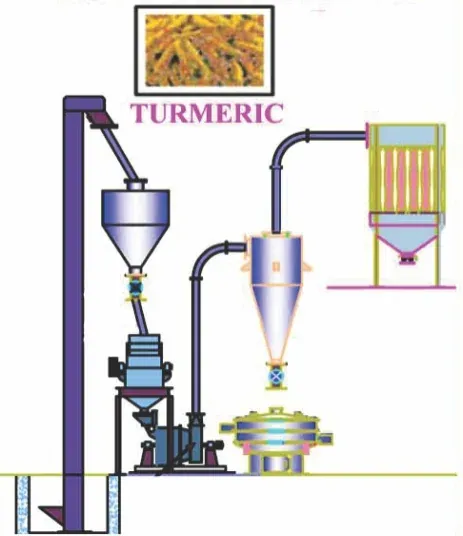
| Turmeric, ginger (starchy, hard) | Miracle Mill (to 3–5 mm) + Wizzcon Mill or Impact Pulverizer | Two operations – coarse then fine |
| Coriander, cumin (fibrous, uniform) | Miracle Mill (single pass) or Micro Pulverizer | One operation is usually sufficient |
| Pepper (non-fibrous) | Roller mill | Cracking rather than impact |
| Mixed masalas in a small unit | One Miracle Mill used as a ‘masala mill’ | Cleaned between products; screens changed |
Plant sections we supply
- Cleaning & roasting section – pre-cleaners, destoners, magnets, roasters.
- Milling, sieving and blending section – chilli, coriander, minor masalas and blends.
- Turmeric line – Miracle Mill, Wizzcon Mill, gyro screen and conveyors of the desired capacity.
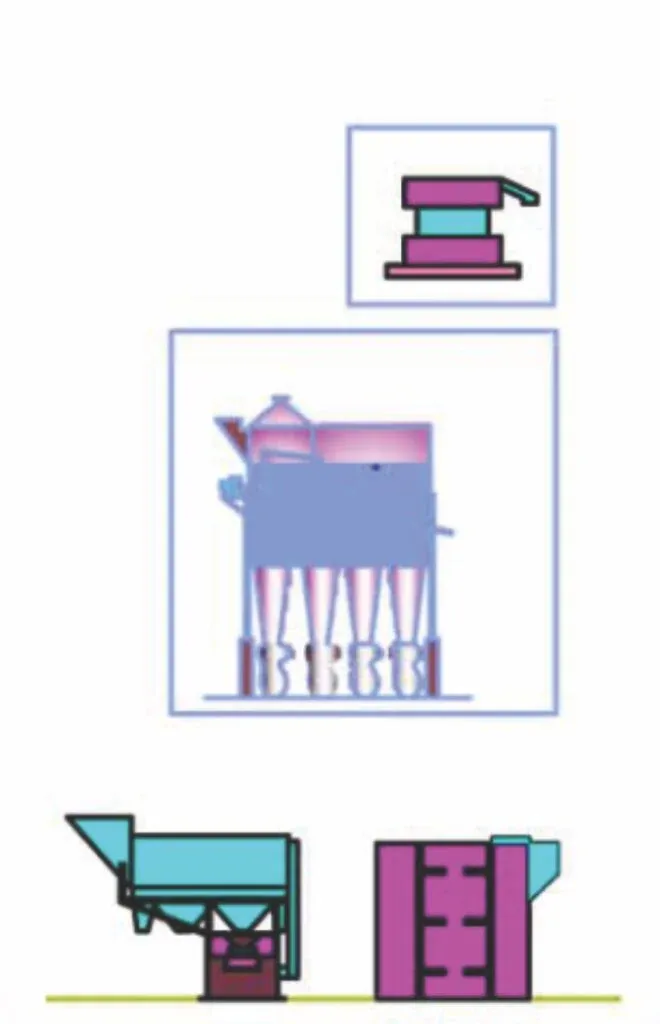
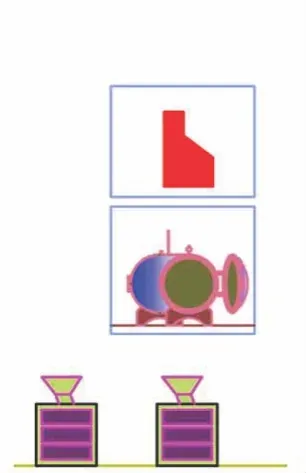
- Packing section – bins, feeders and packing machines.
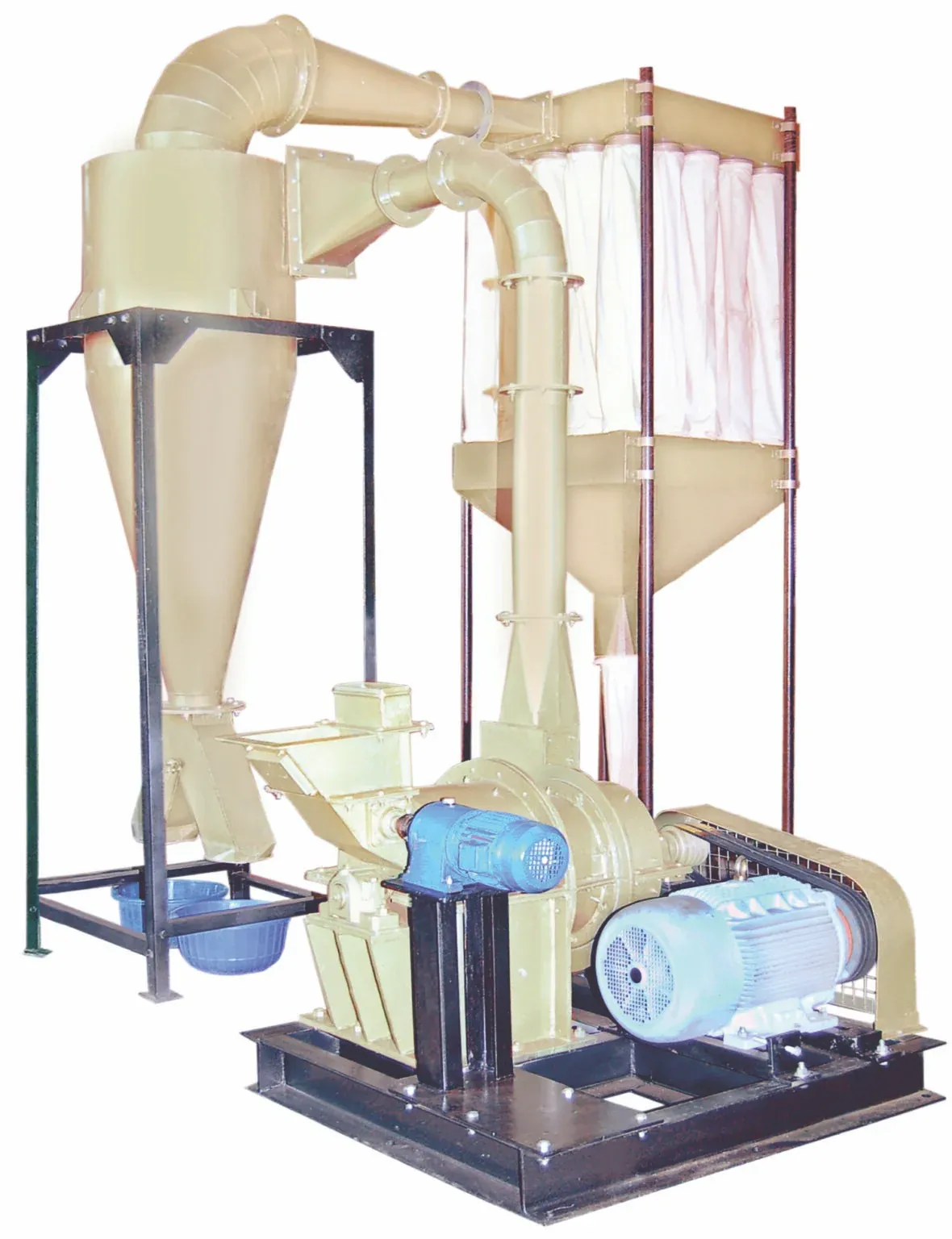
- Pollution control – pulse air-jet filters and dust collectors.
- Material handling – bucket elevators and screw conveyors (250 to 25,000 kg/hr), rotary valves.
Commercial spice grinder machine or full plant?
A single commercial spice grinder machine — typically a Miracle Mill with cyclone — is enough for a small masala business. As volumes grow, dedicated lines per spice reduce cross-contamination and cleaning downtime, and automated feeding, sieving and dust collection cut labour and product loss. We size each stage so that you can start with the grinding section and add cleaning, blending and packing later.
Frequently Asked Questions
What is the capacity range of your spice plants?
From a single-mill masala unit of a few hundred kg per day to multi-line plants. Capacity is set by the mill selection — for example, Miracle Mill models run from 50 kg/hr (JR-I) to 6,000 kg/hr (STD-V) depending on spice and fineness.
Do you supply spice sterilization equipment?
Sterilization method (steam, heat, ETO, irradiation) depends on your market. Share your requirement and we will include it in the plant proposal or coordinate with a specialist supplier.
Can I see a spice grinding trial?
Yes. Bring your chilli, turmeric or masala sample to our demonstration room in Ahmedabad; it can be ground on several mills so you can compare fineness, colour and output.