Understanding chilli grindability
There are more than 60 chilli varieties in the market, but from a grinding point of view every pod has three parts:
- Stems – fibrous; fineness achieved depends directly on how dry they are.
- Pericarp (skin) – fibrous and carries essential oil.
- Seeds – the most difficult part, containing starch and crude fat.
Recommended flow
- Cleaning – destemming, destoning and magnetic separation.
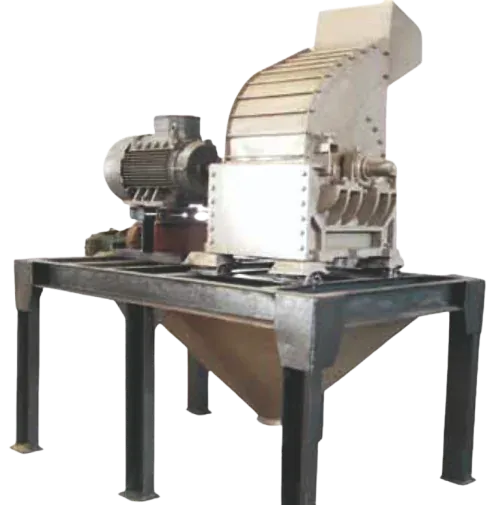
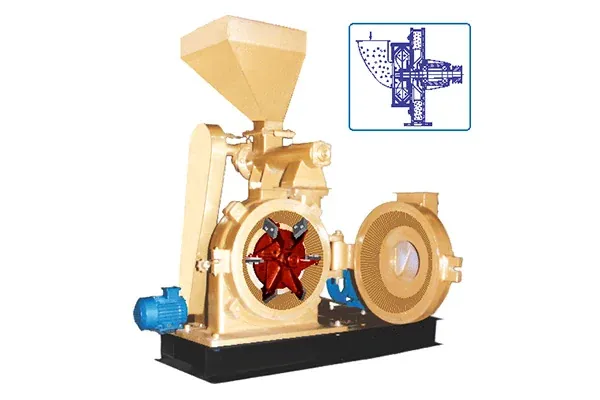
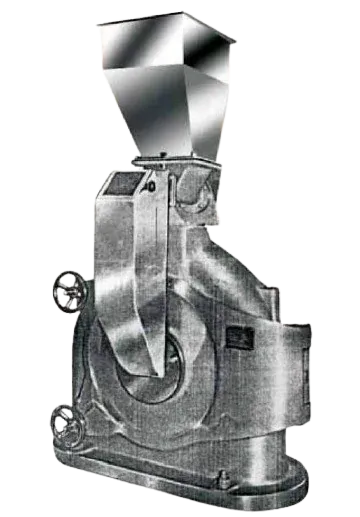
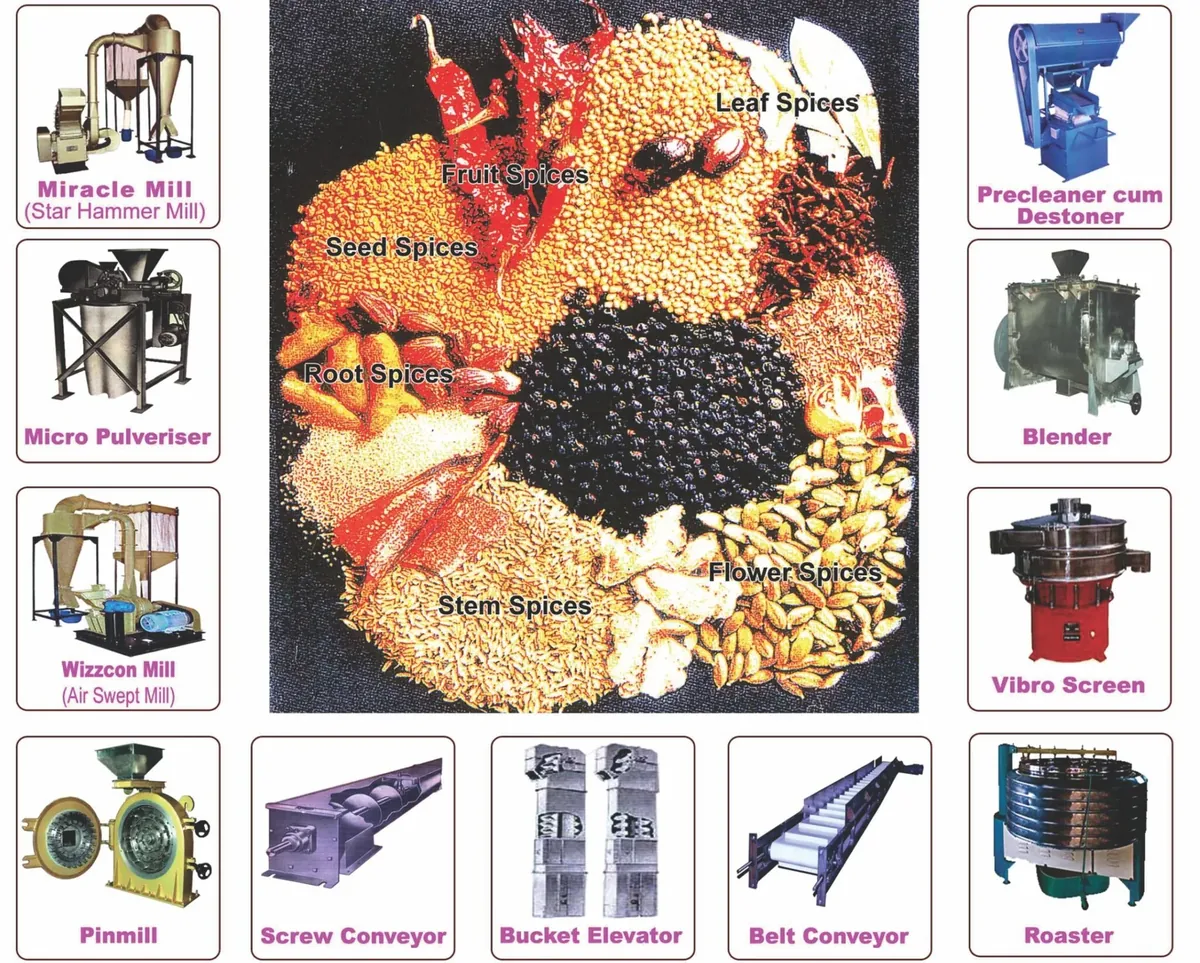
- First grinding – Miracle Mill with a coarse screen.
- Second grinding – a second Miracle Mill (or the same mill with a fine screen in small units).
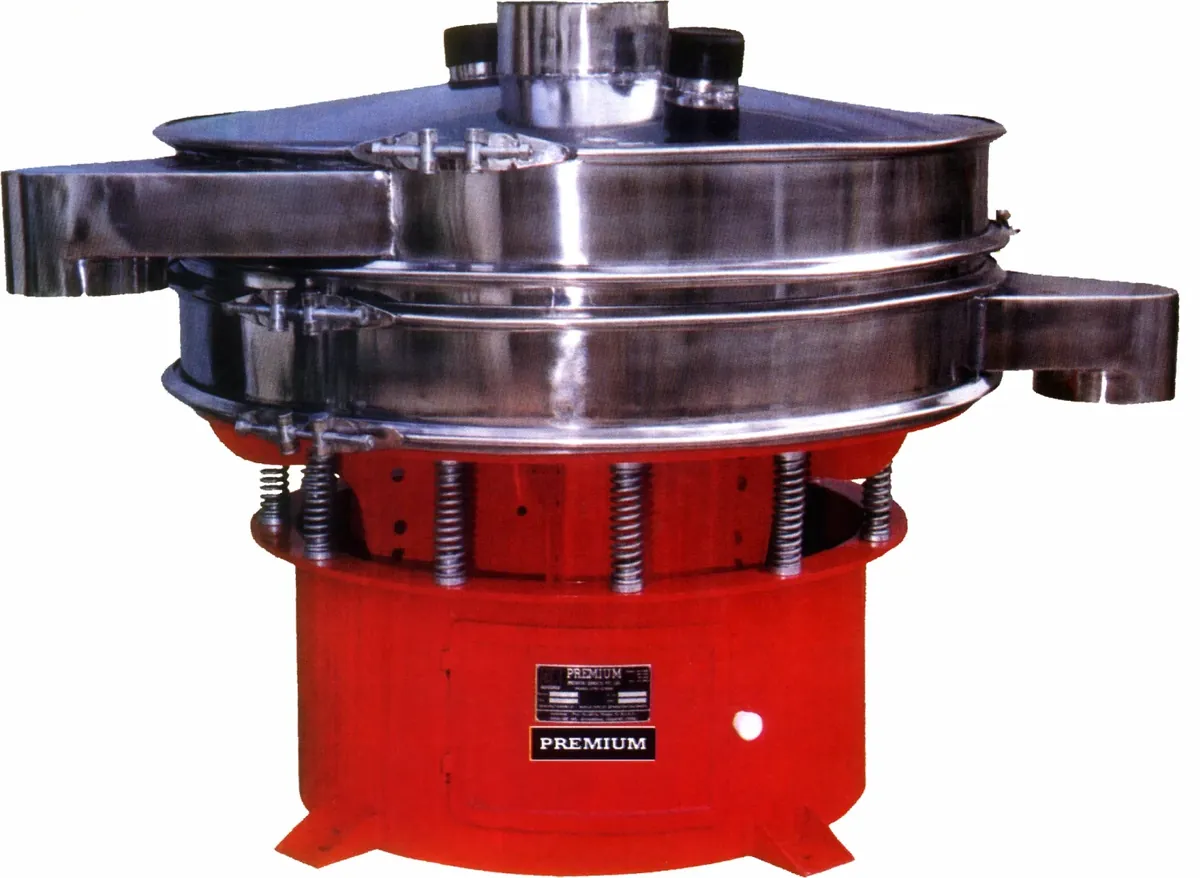
- Sieving – vibro screen with the appropriate wire mesh; oversize returns to the mill.
- Extra-fine option – Turbo Classifier Mill with reverse pulse air-jet dust collector; SS wear parts or complete SS-304.
- Blending & packing.
Why two-stage grinding
Most chilli powder producers run two Miracle Mills in series. Splitting the work keeps each stage cooler, which retains flavour, and gives consistent quality from batch to batch. Small manufacturers achieve a similar result with one mill and two screens — coarse for the first pass, fine for the second.
Dust and safety
Chilli dust is pungent and irritant. Closed pneumatic conveying, cyclones with rotary airlocks and a pulse air-jet dust collector keep the plant clean, protect operators and recover valuable fines.
Frequently Asked Questions
What capacity can a chilli grinding system handle?
It depends on the mill models chosen and the final mesh. Miracle Mill models range from 50 to 6,000 kg/hr on general duty; for chilli we confirm achievable output by trial.
Does fine chilli powder need a dust collector?
Yes, for very fine chilli we recommend the Turbo Classifier Mill with reverse pulse air-jet dust collector.