Plant options
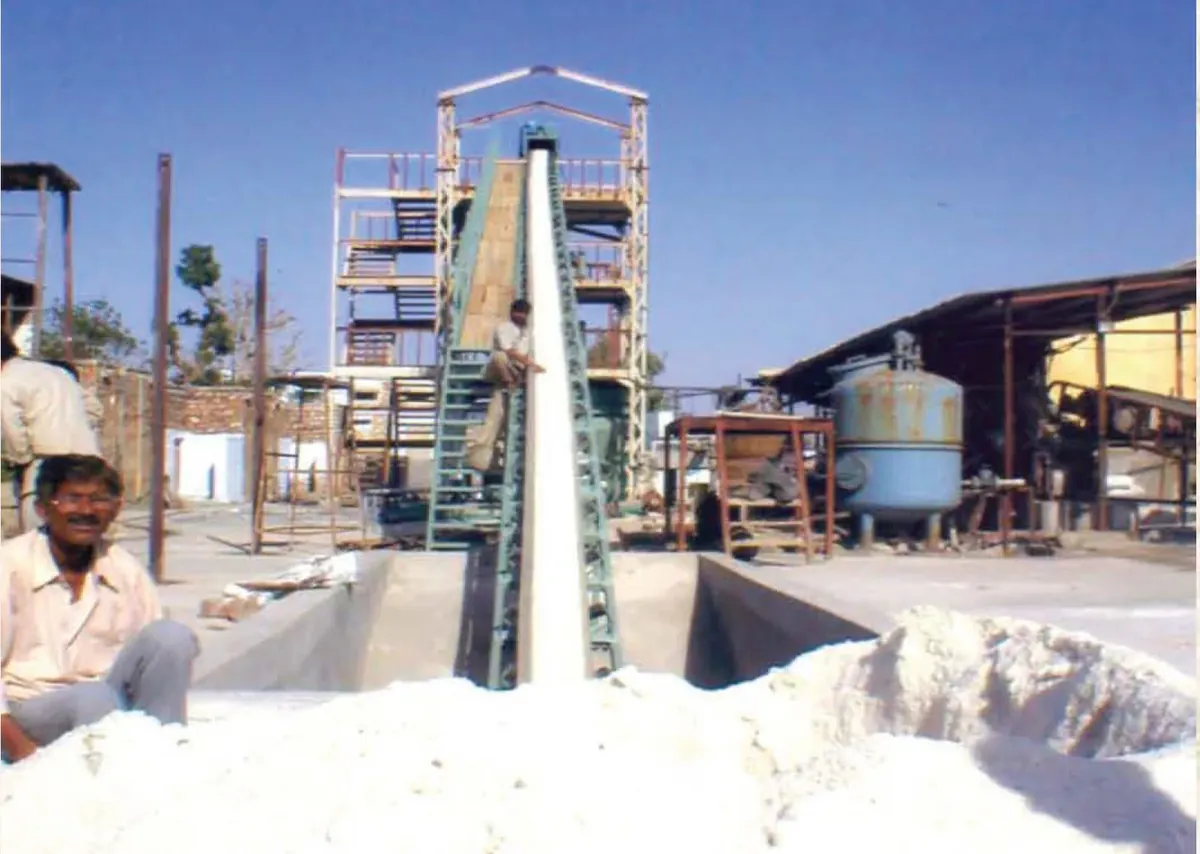
- Mechanical washers
- Refineries with milling process
- Vacuum evaporation process plants
- Upgradation plants
- Iodisation plants
- Double fortified salt plants
Salt refining process
- Raw salt feeding – from stockpiles or dumpers into hoppers, over a magnetic separator, then through crushers to break lumps.
- Washing & milling – crushed salt is washed with brine and wet-milled in a hydro mill; slurry goes to a thickener and hydrocyclone.
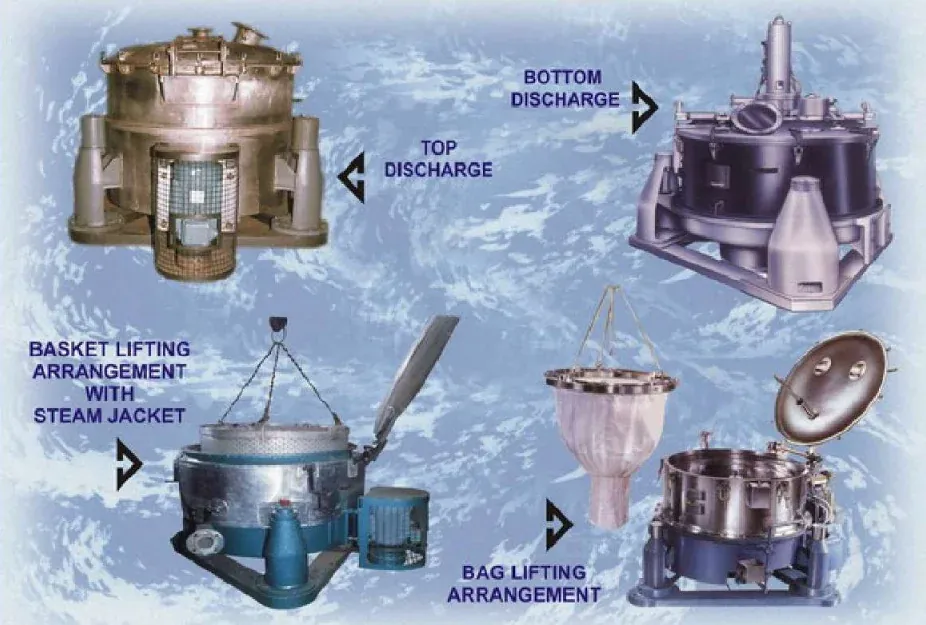
- Centrifuging – a centrifuge extracts the salt cake.
- Drying – hot air or fluid bed dryers, then cooling.
- Sizing & conditioning – gyro screens grade the salt.
- Dosing of additives & coating – iodine and other additives are blended in.
- Packing – to bags or storage silos.
- Brine recycle – wash brine is recycled or treated; sludge removed via clarifiers.
Key machinery
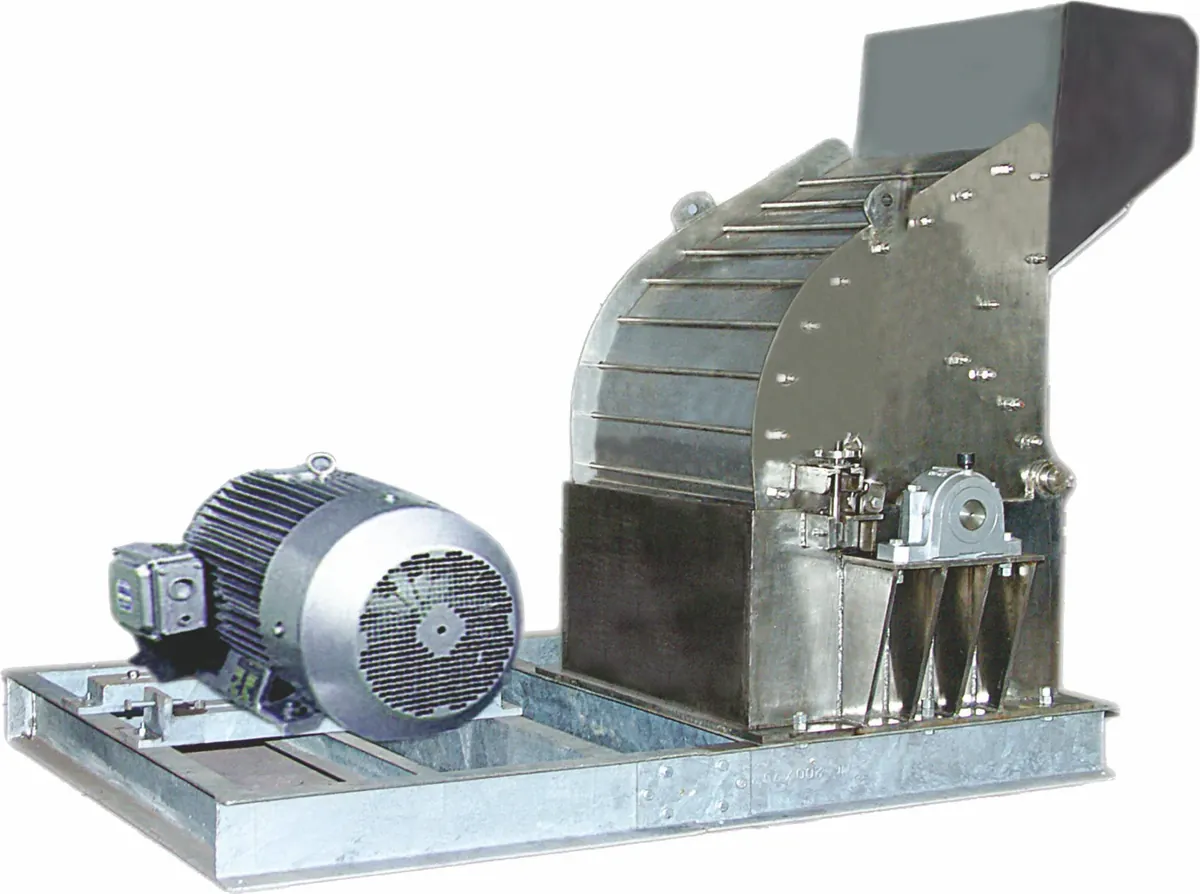
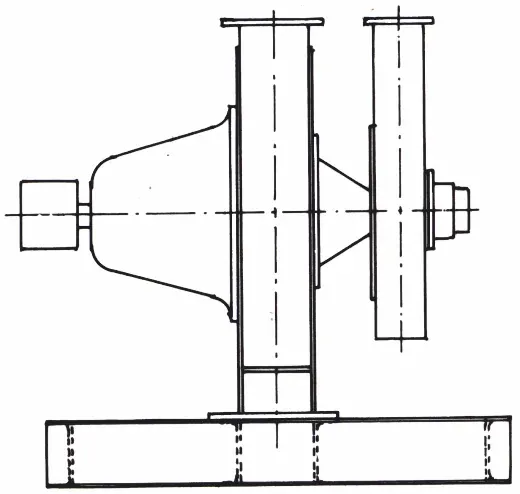
- Crushers
- Wet mills / hydro mills
- Dry mills / pin mills
- Belt, screw, bucket and push-type conveyors
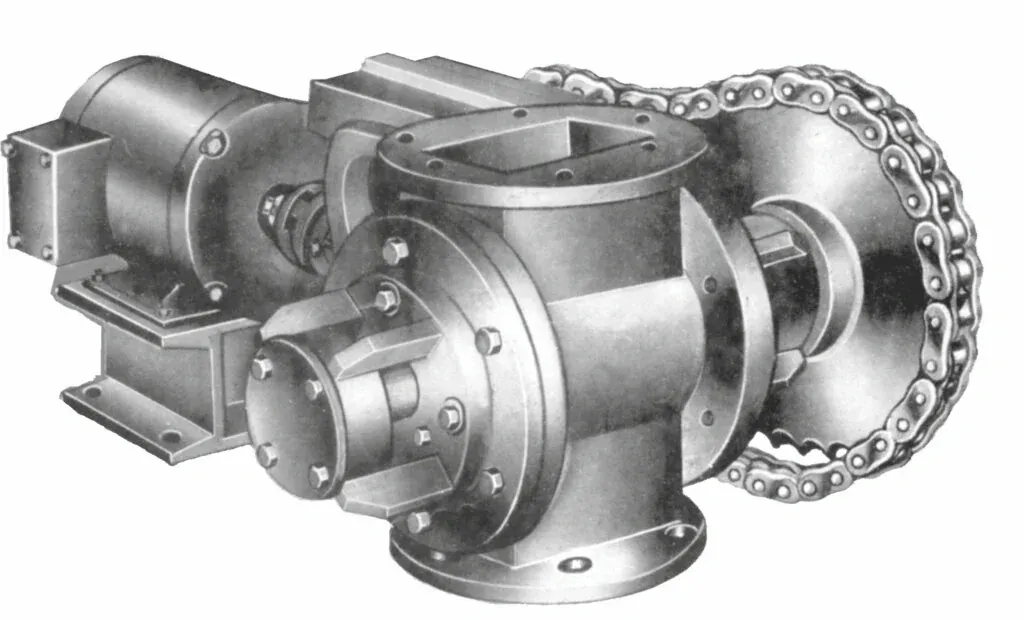
- Rotary valves
- Kilns and coolers
- Blenders
- SS / MS / lined vessels and tanks
- Gyro screens
Why hydro milling
Raw salt crystals have sharp, irregular edges. Grinding them wet with purified brine rounds the crystals and washes out mud, giving the smooth, uniform grains that stay dry and free-flowing in the pack — the basis of quality refined free-flow salt.
Salt industry uses
Salt has thousands of uses: chlor-alkali, soda ash, PVC and caustic, aluminium, textiles and dyeing, water softening, soap and detergent, curing of hides, food and fish preservation, road de-icing, animal feed and human consumption. Premium Pulman has exhibited at Salt Asia Expo, Gandhidham, and works with salt associations in Kutch, Bhavnagar, Tuticorin and across Gujarat.
Frequently Asked Questions
What is a salt upgradation plant?
A plant that improves raw or semi-refined salt — washing, milling, drying, grading and iodising — without a vacuum evaporation stage.
Do you supply salt iodization plants separately?
Yes, iodisation can be supplied as a standalone plant or as part of a refinery.